


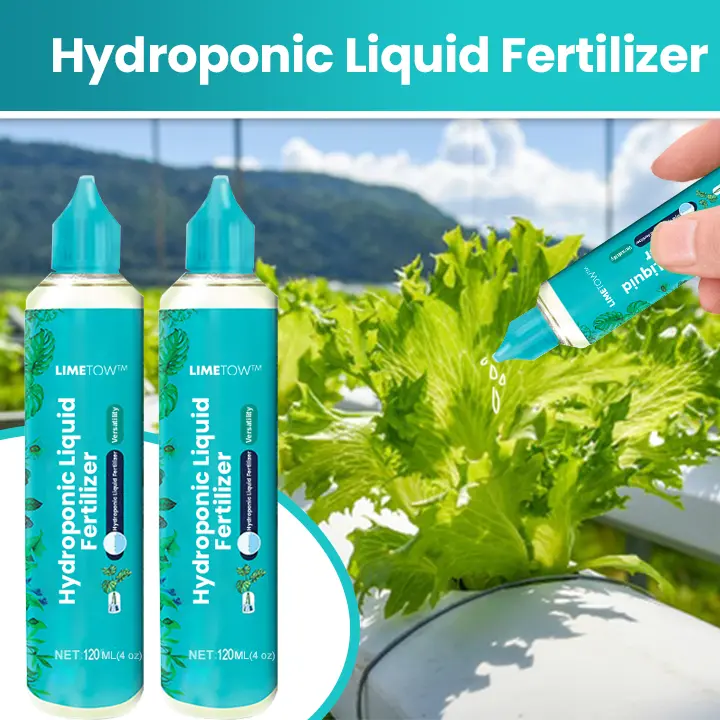
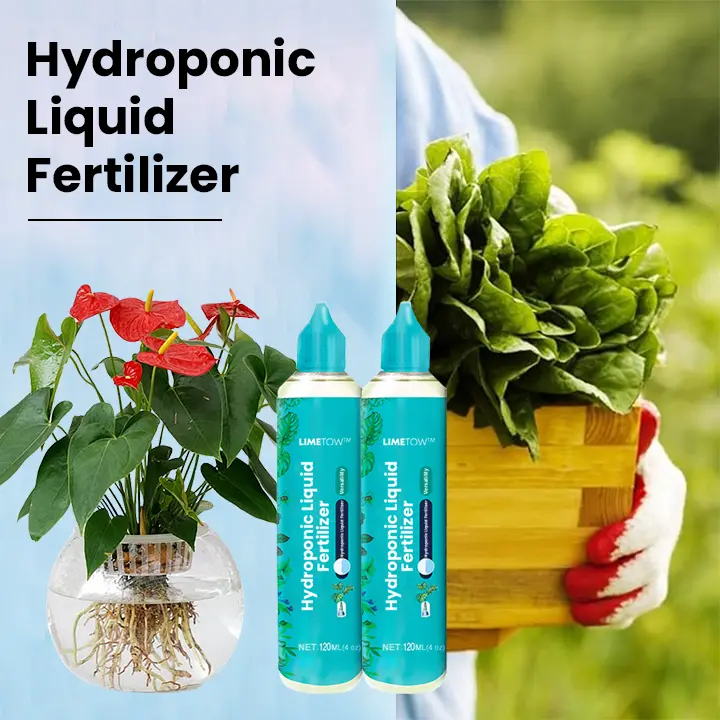
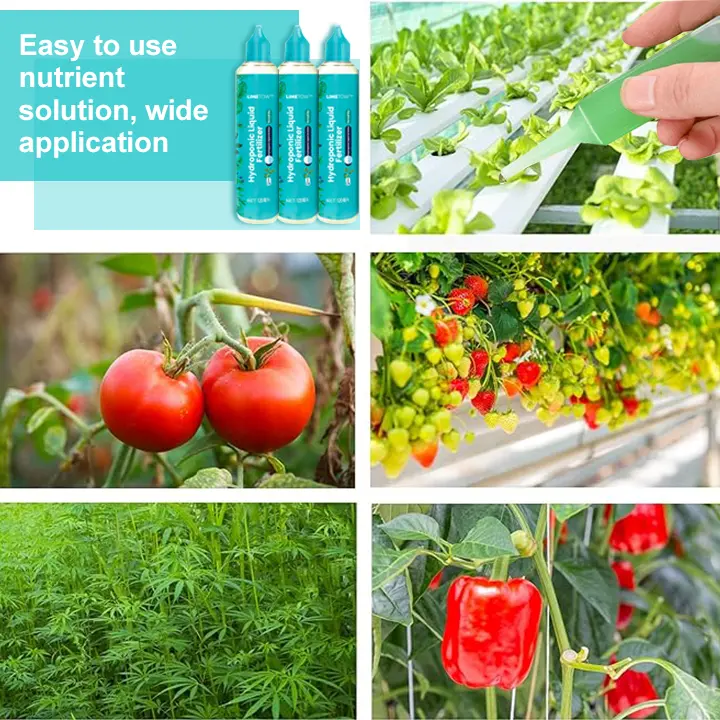
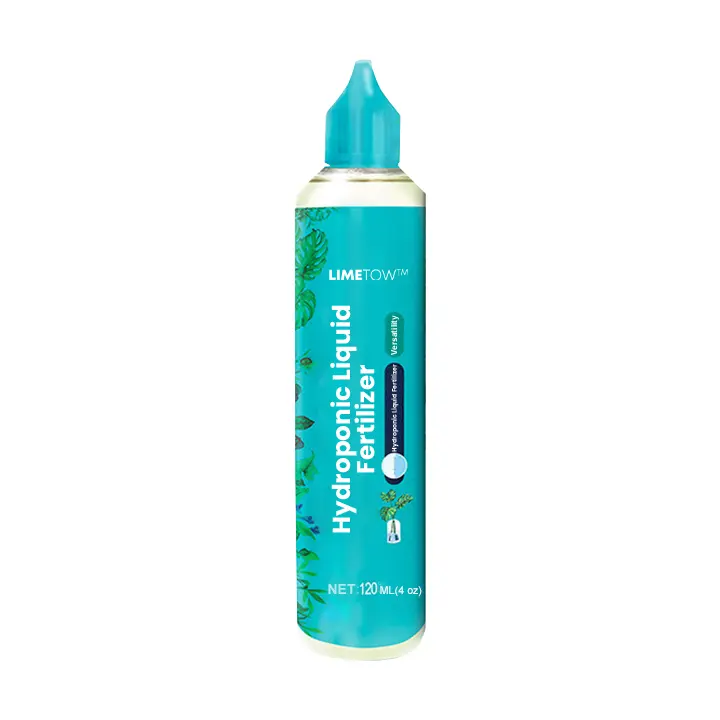
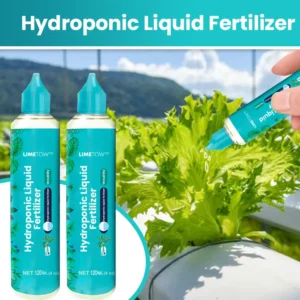
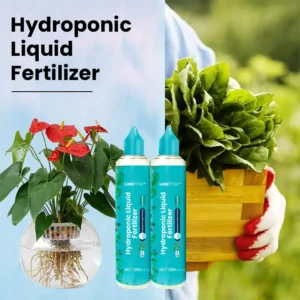
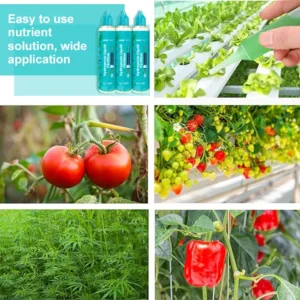
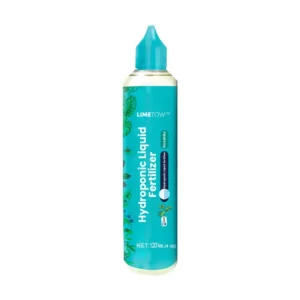
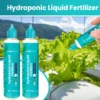
LIMETOW™ Hydroponic Liquid Fertilizer (4-ounce plus)
Price range: $18.95 through $85.95
Introduction to Hydroponics and Its Advantages
Hydroponics is a method of growing plants without soil by using water and essential nutrients. The word “hydroponics” comes from the Greek words “hydro” (water) and “ponics” (labor), highlighting the process of growing plants in a water-based environment. This technique uses inert materials such as clay pellets, perlite, rock wool, vermiculite, or peat moss to support the plants instead of traditional soil.
Hydroponics is a rapidly growing method of farming and gardening that offers a variety of benefits, especially in urban areas or regions where soil quality is poor. It allows plants to grow in controlled environments and is known for its efficiency and high yields.
Advantages of Hydroponics:
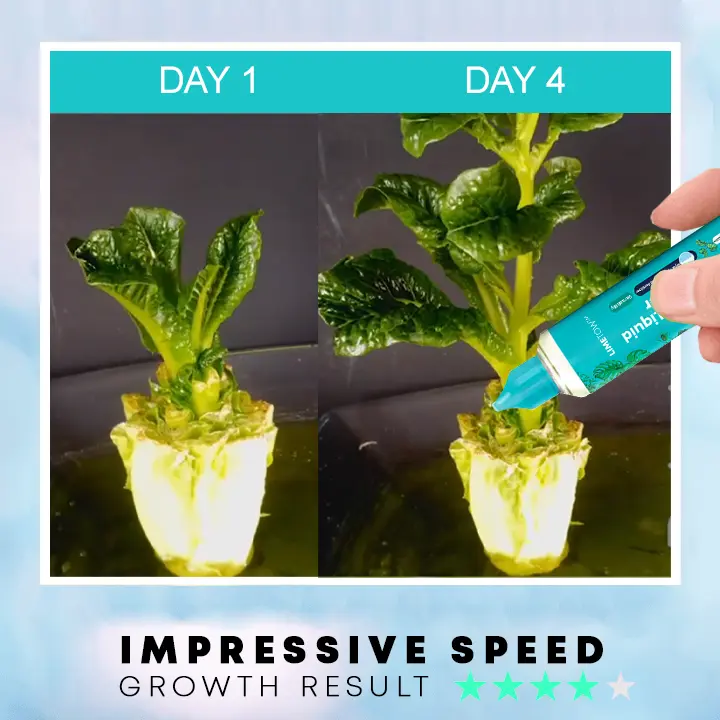
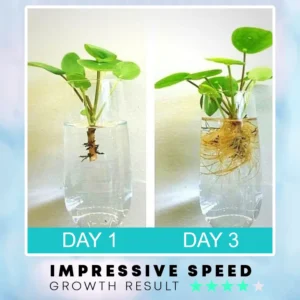
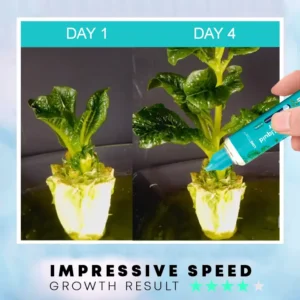
- Faster Growth Rates: Plants grown hydroponically can grow 30%-50% faster than those grown in soil. This is because the nutrient-rich water directly nourishes the roots, providing plants with the perfect balance of nutrients for optimal growth. The controlled environment also reduces exposure to pests and adverse weather, resulting in healthier, more robust plants.
- Water Conservation: Hydroponic systems use up to 90% less water than traditional soil-based farming. The water in a hydroponic system is recirculated, meaning it’s reused instead of being drained away. This makes it an ideal solution for water-scarce regions or places with limited irrigation resources.
- Space-Efficient: Because hydroponic systems can be used indoors or in small, vertical spaces, they allow for year-round cultivation. This is particularly advantageous in cities where space is limited or for those who want to grow crops without requiring large tracts of land.
- No Soil Erosion: Since hydroponics doesn’t rely on soil, there is no risk of soil erosion, making it an environmentally friendly farming method.
- Reduced Need for Pesticides and Herbicides: Hydroponics systems are often grown indoors or in controlled environments, where the risk of pests, weeds, and diseases is reduced. As a result, there is less need for harmful pesticides and herbicides, making it a cleaner and more sustainable option for food production.
Hydroponic Nutrient Solution: Essential Micro and Macro Nutrients
In hydroponic systems, plants rely on nutrient solutions rather than the soil to supply the necessary macro and micronutrients. A good hydroponic nutrient solution should include a mix of both macro and micro nutrients to ensure the plants receive all the essential elements they need for optimal growth.
Key Macros Nutrients:
- Nitrogen (N): Vital for leaf and stem growth.
- Phosphorus (P): Important for root development and flower/fruit production.
- Potassium (K): Essential for overall plant health, improving drought tolerance and disease resistance.
Key Micros Nutrients:
- Iron (Fe): Needed for photosynthesis and overall plant health.
- Manganese (Mn): Helps with enzyme activation and growth regulation.
- Boron (B): Aids in cell wall formation and nutrient transport.
- Calcium (Ca): Vital for cell wall structure and root health.
- Magnesium (Mg): Essential for chlorophyll production.
- Zinc (Zn): Helps with enzyme function and plant metabolism.
The balance of these nutrients is critical to the success of hydroponic systems, and different plants may require different concentrations depending on their stage of growth.
The Science of Controlled-Release Fertilizers
For optimal plant growth in hydroponics, controlled-release fertilizers (CRFs) are often used. CRFs are designed to release nutrients slowly over time, ensuring that plants receive a steady supply of essential elements. The mechanism behind these fertilizers is based on osmotic pressure, where water penetrates the granule’s coating, dissolving the nutrients inside. As the osmotic pressure builds, the nutrients are gradually released into the system, allowing for more precise nutrient control and reducing the need for frequent applications.
Advantages of Liquid Fertilizers in Hydroponics
When it comes to hydroponic fertilizers, liquid formulations tend to offer a number of benefits over solid forms:
- Precise Nutrient Control: Liquid fertilizers can be mixed and diluted to the exact needs of the plant, making them ideal for plants at different growth stages. They allow for faster and more consistent delivery of nutrients.
- Faster Absorption: Liquid fertilizers are immediately available to plants, meaning they can begin to absorb nutrients right away. This leads to quicker results, especially in plants that need an immediate boost.
- Uniform Application: Liquid fertilizers can be easily spread evenly across the plant system. Whether applied through watering, spraying, or nutrient misting, they ensure that all plants receive the same level of nutrients.
- pH Balancing: Liquid fertilizers are often better at helping to balance the pH levels in a hydroponic system, promoting a healthy growing environment.
Hydroponic Liquid Fertilizer: Key Benefits
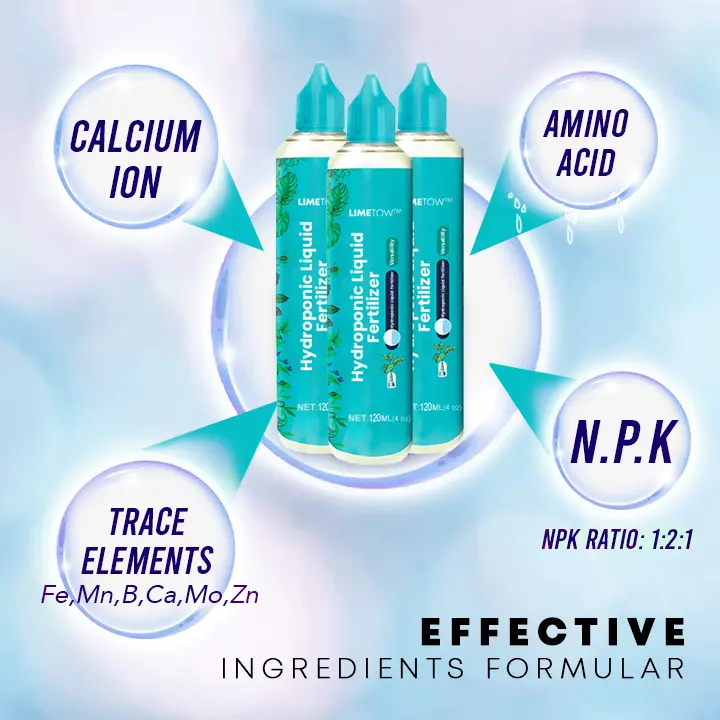
Hydroponic Liquid Fertilizer is formulated to provide plants with a balanced blend of nutrients. It contains a combination of macronutrients (NPK – Nitrogen, Phosphorus, Potassium) and trace elements that help support plant health and growth.
Benefits of Using Hydroponic Liquid Fertilizer:
- Instant Nutrient Supply: The liquid form ensures that nutrients are available to the plants immediately. This is ideal for fast-growing plants that require constant nutrient intake.
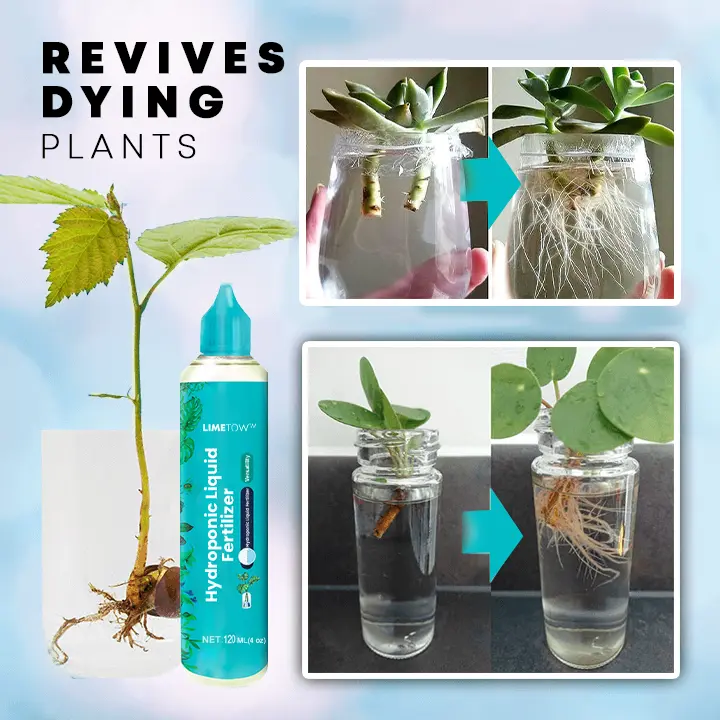
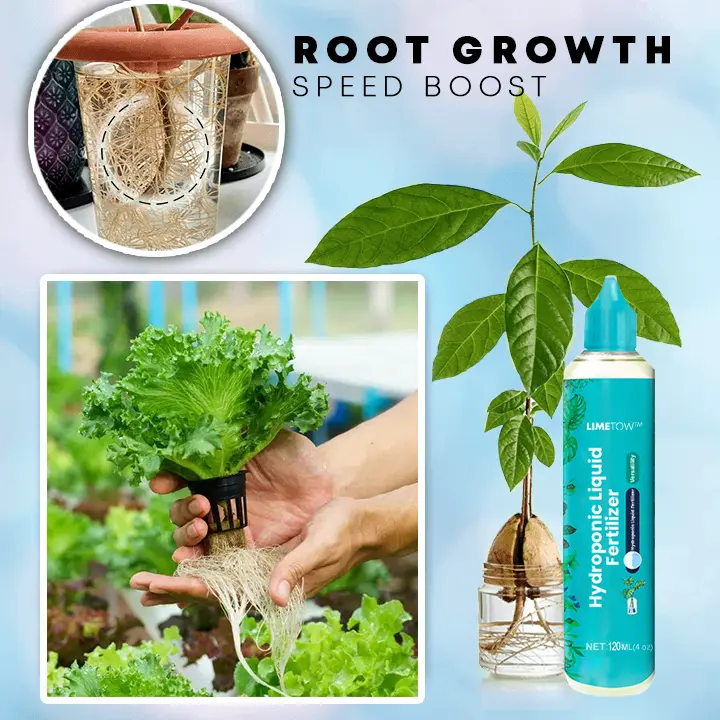
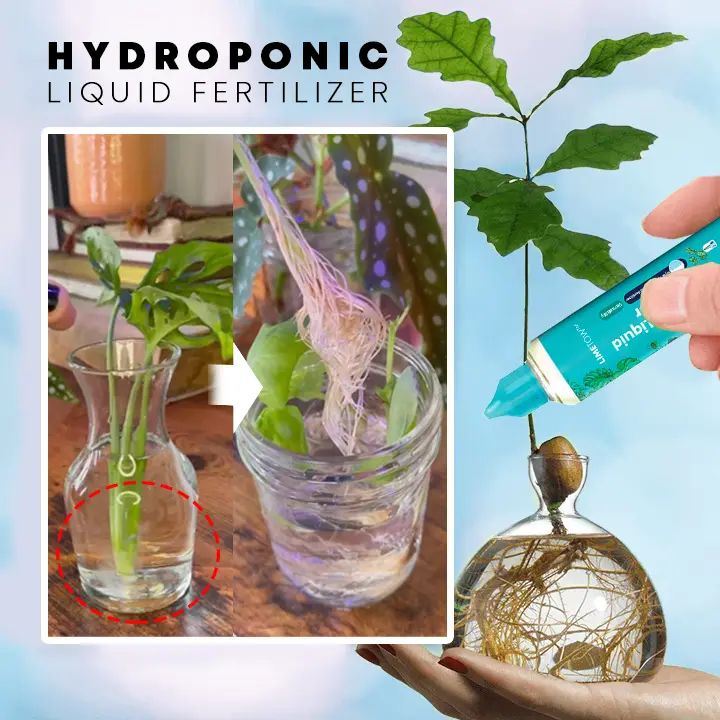
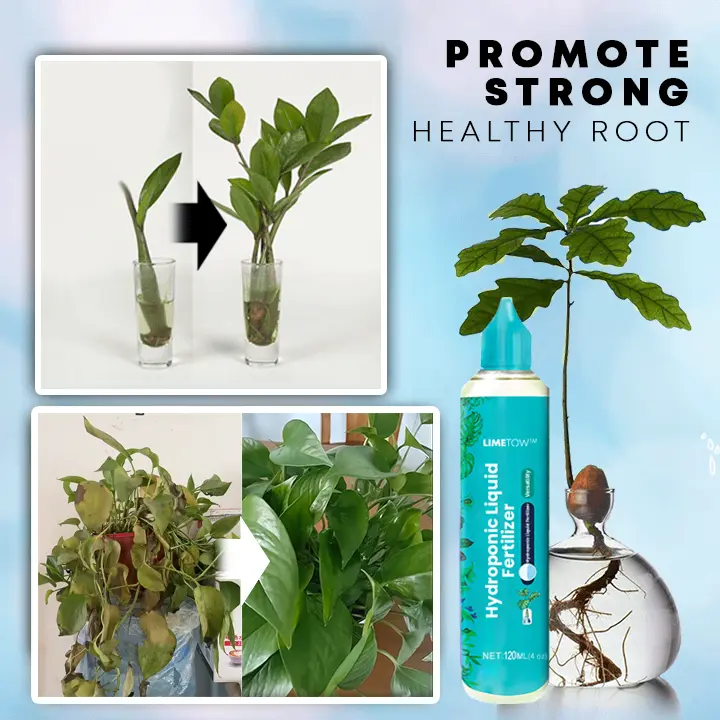
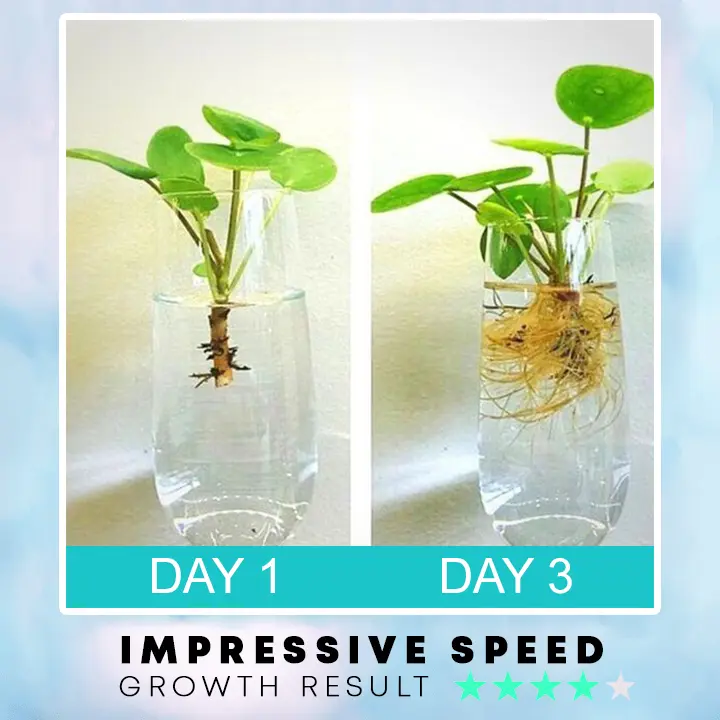
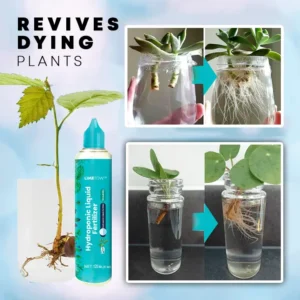
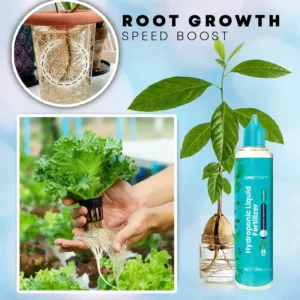
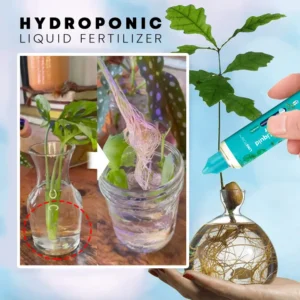
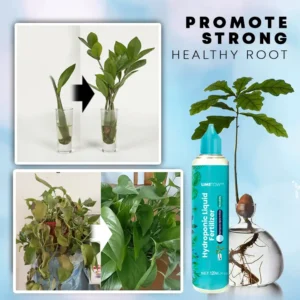
- Promotes Healthy Root Growth: The formulation helps stimulate root development, ensuring plants have a strong foundation for water and nutrient uptake.
- Vigorous Growth & Flowering: The fertilizer supports overall plant health, encouraging rapid growth and prolonged flowering cycles, which is essential for indoor gardeners or year-round cultivation.
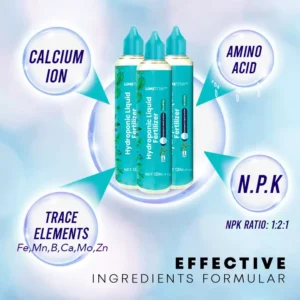
- Balanced Nutrient Formula: The Hydroponic Liquid Fertilizer typically contains an NPK ratio of 1:2:1, along with essential trace elements like calcium, iron, manganese, zinc, and boron. These nutrients work together to strengthen the plant’s immune system, support photosynthesis, and ensure proper cell division.
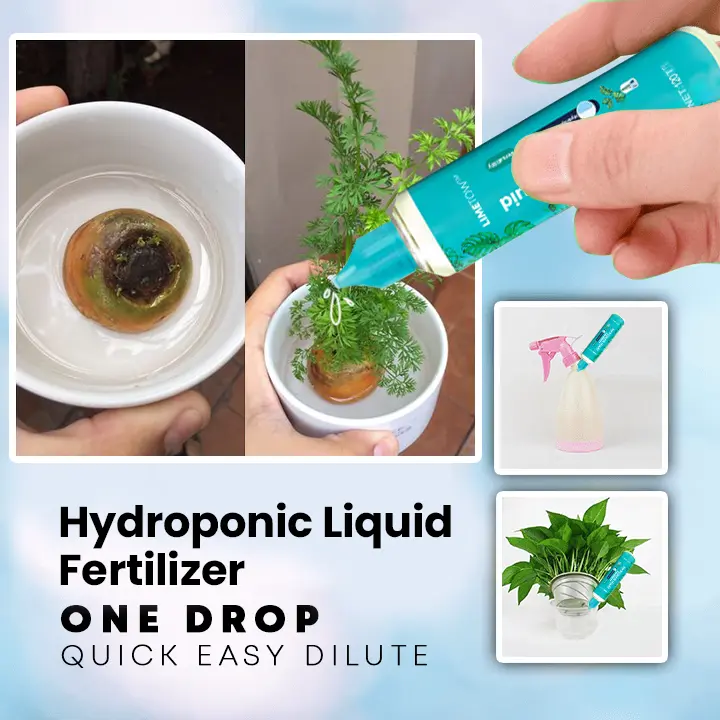
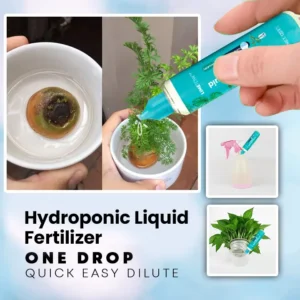
- Easy to Use: The fertilizer can be diluted to suit the specific needs of your plants and can be applied through irrigation systems, foliar spraying, or as a direct root drench.
How to Use Hydroponic Liquid Fertilizer:
- For Plant Growth (Vegetative Stage):
- Mix the liquid fertilizer with water based on the manufacturer’s recommended ratio. Apply the solution directly to the roots or use as foliar spray.
- For Flowering and Fruit Production:
- Adjust the NPK ratio by adding more phosphorus and potassium to encourage flowering and fruiting.
- For Rooting Cuttings:
- Use a diluted solution (1/4 strength) to encourage the development of healthy roots. Soak the cuttings for a few hours in the nutrient solution before planting them in your hydroponic system.
In Conclusion:
Hydroponics presents a revolutionary way to grow plants faster, more efficiently, and with fewer resources than traditional soil-based methods. By using nutrient-rich solutions like Hydroponic Liquid Fertilizer, growers can ensure that plants receive the exact nutrients they need for optimal growth and development. Whether you’re a hobbyist or a professional, hydroponic farming offers numerous advantages including faster growth, reduced resource consumption, and year-round production — all while promoting healthier, more resilient plants.
We truly believe we have some of the best products in the world. If you don’t have a positive experience for ANY reason, we will do WHATEVER it takes to make sure you are 100% satisfied with your purchase. Buying items online can be a daunting task, so we want you to realize that there is absolute ZERO risk in buying something and trying it out. If you don’t like it, no hard feelings we’ll make it right. We have 24/7/365 Ticket and Email Support. Please contact us if you need assistance.
Package Includes: 1 x LIMETOW™ Hydroponic Liquid Fertilizer (4-ounce plus)
Welcome to Goombara You’ve just found the greatest online store for most of your needs. Browse our website and stay tuned to our social media for great discount opportunities. We are constantly stocking products to make your life that much better. Goombara is 4 years old online shopping company serving people in various industry products. Goombara is completely
independent company so our loyalty only belongs to our clients, we do our best to serve fully our customers.We believe that trust between us is very important. Feel free to contact the Goombara at any time! We love you and thanks for being part of the Goombara.
__________________________________________________________________________________
OUR GUARANTEE
We truly believe we make some of the most innovative products in the world, and we want to make sure we back that up with a risk-free ironclad 45 day guarantee.
If you don’t have a positive experience for ANY reason, we will do WHATEVER it takes to make sure you are 100% satisfied with your purchase.
Buying items online can be a daunting task, so we want you to realize that there is absolute ZERO risk in buying something and trying it out. If you don’t like it, no hard feelings we’ll make it right.
We provide 24/7 email and ticket support. If you need help, please reach out to us. For any issues with your purchase, don’t hesitate to contact our customer service team.
Remember: Shipping usually takes 2-3 weeks – read our shipping for more details!
100% MONEY BACK GUARANTEE
LIMETOW™ Hydroponic Liquid Fertilizer (4-ounce plus)
| Quantity | Buy 1, Buy 2, Buy 3, Buy 5, Buy 10 |
|---|
Be the first to review “LIMETOW™ Hydroponic Liquid Fertilizer (4-ounce plus)”
You must be logged in to post a review.
Related products


Beauty & Health






Tools


Household


Beauty & Health

Reviews
There are no reviews yet.